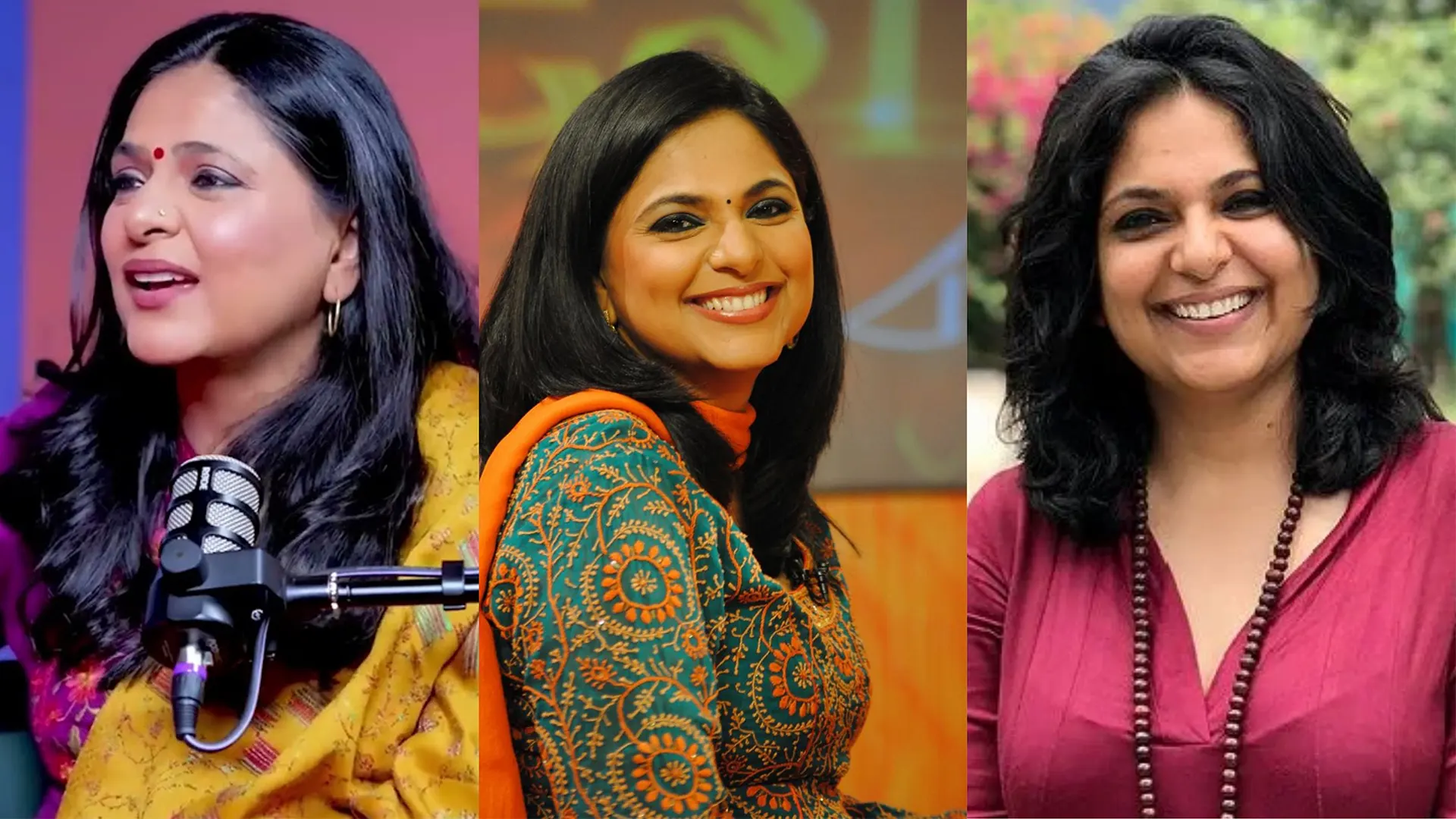
Director’s diaries, visual storytelling principles, and philosophical reflections on capturing unscripted human triumphs without staging or manipulation.
Field reflections from rural Maharashtra and Rajasthan borderlands
A documentary camera is fundamentally an intrusion. The instant an impoverished family or an abused child invites your production crew across their threshold, you have entered a sacred zone of trust. If your finished film exploits their sorrow to capture festival trophies while leaving them in the exact same misery, your art is an act of extraction.
"The camera must never look down on a subject; it must sit at eye level, listening without rushing the story."
Modern cinema loves jittery handheld gimbal movements and rapid cuts every three seconds. But human beings in real life do not move at music-video speed. When you lock the camera on a sturdy tripod, frame a person’s eyes, and let them sit in stillness, their subconscious fears and triumphs slowly emerge without any prodding.

Snapshots and production diaries from Richa’s visual documentary explorations.
Reel 01
Filming the unrecorded heroism of women who inherited barren debt-ridden farms after their spouses passed, transforming parched soil into thriving organic cooperatives.
Reel 02
Documenting the sole surviving family preserving a 400-year-old castor oil painting heritage, proving that cultural memory is worth more than factory assembly lines.
Reel 03
How teenage b-boys and beatboxers turn corrugated tin alleys into electric amphitheaters of pride, rhythm, and fearless personal expression.
Ethical production protocols developed across two decades of filming vulnerable communities.
Setting up huge artificial softboxes in a modest village hut instantly intimidates subjects and turns an intimate exchange into an interrogation.
If a subject breaks down while recounting tragedy, you never say "Can you repeat that with more emotion?". Real heartbreak does not have second takes.
Amateur editors drown every quiet pause in orchestral strings. Seasoned directors understand that a 6-second silence between words carries the entire story.
A signed release form is legally sufficient, but morally inadequate. If a subject feels vulnerable about a revelation later, they have the right to withdraw.
"Every documentary filmmaker has hard drives containing footage that would have gone viral and won national trophies, but would have ruined the subject's family or community if aired. The mark of an ethical storyteller is not what you choose to include; it is what you possess the moral restraint to leave on the cutting room floor."
— Richa AnirudhWhether you represent a philanthropic foundation, a forward-looking CSR initiative, or an independent production house, Richa brings twenty years of investigative discipline and empathetic visual framing to your documentary projects.
Direct access to remote rural communities, tribal pockets, and verified social innovators across India.
Storytelling that honors human dignity, respects ongoing consent, and avoids poverty tourism.
From script conceptualization and 4K field cinematography to national digital release and media buzz.